
Arasavalli Sun Temple

Arasavalli in Andhra Pradesh, originally known as Harshavalli (meaning “abode of joy”), is indeed one of the few surviving sun temples in India. Its legend ties back to sage Kasyapa and the temple’s unique alignment allows sunlight to fall directly on the deity’s feet twice a year — a marvel of astronomical precision.
Deo Surya Mandir in Aurangabad, Bihar, is another gem. Built in the 8th century (or possibly earlier, as oral traditions suggest), it’s unique for facing west — toward the setting sun — unlike most sun temples that face east. The temple blends Nagara, Dravidian, and Vesara architectural styles and is a major pilgrimage site during Chhath Puja, when lakhs of devotees gather to offer arghya to the Sun God.
It’s fascinating how each of these temples — Konark, Modhera, Arasavalli, and Deo — embodies a different regional expression of solar worship, yet all converge on the same cosmic symbolism.
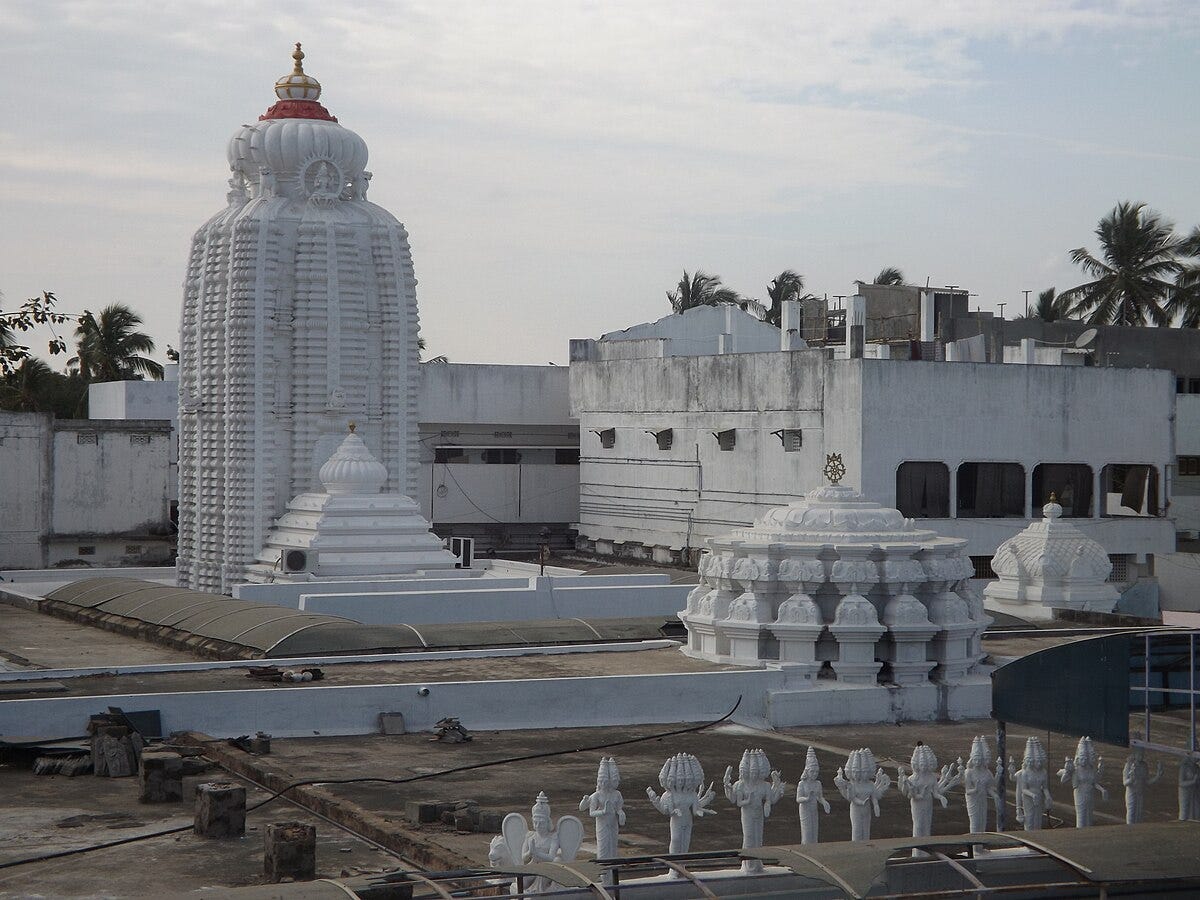
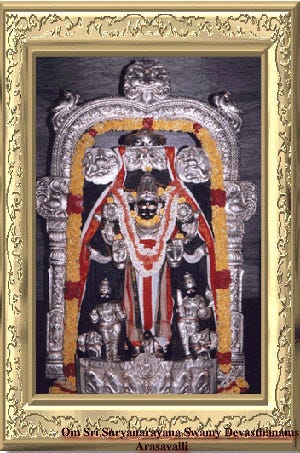
The presence of Sri Suryanarayana Swamy in black stone is especially intriguing—symbolically rich, since Surya is usually associated with radiance and gold. The contrast adds an almost mystical gravitas, as if anchoring the blazing divinity of the sun in the deep stillness of stone.
The attribution to Maharshi Kashyapa, considered the progenitor of the solar race (Suryavansha), layers the temple with ancestral and cosmological resonance. The Padma Purana’s reference deepens that connection, tying the temple not just to a regional deity, but to the grand fabric of Vedic cosmology.
The name Harshavalli — “creeper of joy” — beautifully reflects the belief that worshipping Surya here dispels sorrow and brings radiant well-being. This aligns with its designation as a Mahabhaskara Kshetra, a spiritually potent site where Surya’s blessings are said to be especially transformative.
The temple is traditionally attributed to King Devendra Varma of the Eastern Ganga dynasty, likely in the 7th century CE, though some sources suggest an earlier date around 545 AD. His successor, Devendra Varma I, is credited with land grants to Brahmins, reinforcing the temple’s role as a center of Vedic learning and rituals. Later, Anantavarman Chodaganga Deva, the illustrious builder of the Jagannath Temple at Puri, also made land donations to Sri Kurmamual.
When Sri Mukhalingam was the capital of the Eastern Gangas, two brothers Ippilli Akanna, Surappa met the king Devendra Verma, and told him that Surya Bhagavan appeared in the dream and told them to build a temple there.
Pleased with their devotion and knowledge, the king appointed these 2 brothers as the Archakas for the temple. The current Archakas in Arasavalli are believed to have been the descendants of these Ipilli brothers.
According to local tradition and some historical accounts, the temple suffered two major episodes of destruction during the late medieval period.
In 1599, it is believed that Hazrath Quli Qutb Shah, a ruler from the Qutb Shahi dynasty, led an incursion that damaged the temple.
Later, Sher Muhammad Khan, a subedar under the Nizam’s rule, is said to have attacked the temple again. During this assault, one of the temple pandits reportedly hid the main deity in a well to protect it from desecration.
The temple was later rebuilt in the 18th century, with significant contributions from local patrons like Elamanchili Pullaji Panthulu, restoring it in the Kalinga architectural style.
Twice a year — during the transitions of Uttarayana (around March 9–11) and Dakshinayana (around October 1–3) — the early morning sunrays pass through the temple’s five entrance gates and fall directly on the feet of Sri Suryanarayana Swamy, even when the doors are closed. This occurs between 6:00 and 6:20 AM, lasting for about 3–4 minutes, and is considered a moment of immense spiritual potency.
Celebrated in February or March, Ratha Saptami marks the symbolic birthday of Surya Bhagavan — also known as Surya Jayanti. It signifies the Sun’s northward journey and the onset of spring and harvest season.
Devotees witness the Nija Rupa Darshanam of the deity.The temple hosts special rituals like Suryanamaskaram, Visesha Archana, and Mantrapushpam. A chariot procession of the deity takes place, drawing lakhs of pilgrims from across the region.
As per Sthala Purana, it’s believed that when Balarama visited this place during the Theertha Yatra, the people of Kalinga suffering from drought, requested him to help. Using his plough, Balarama dug deep to bring water to the suffering people.
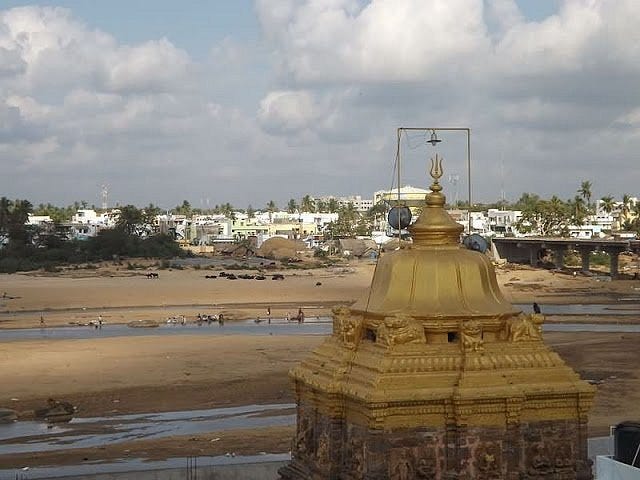
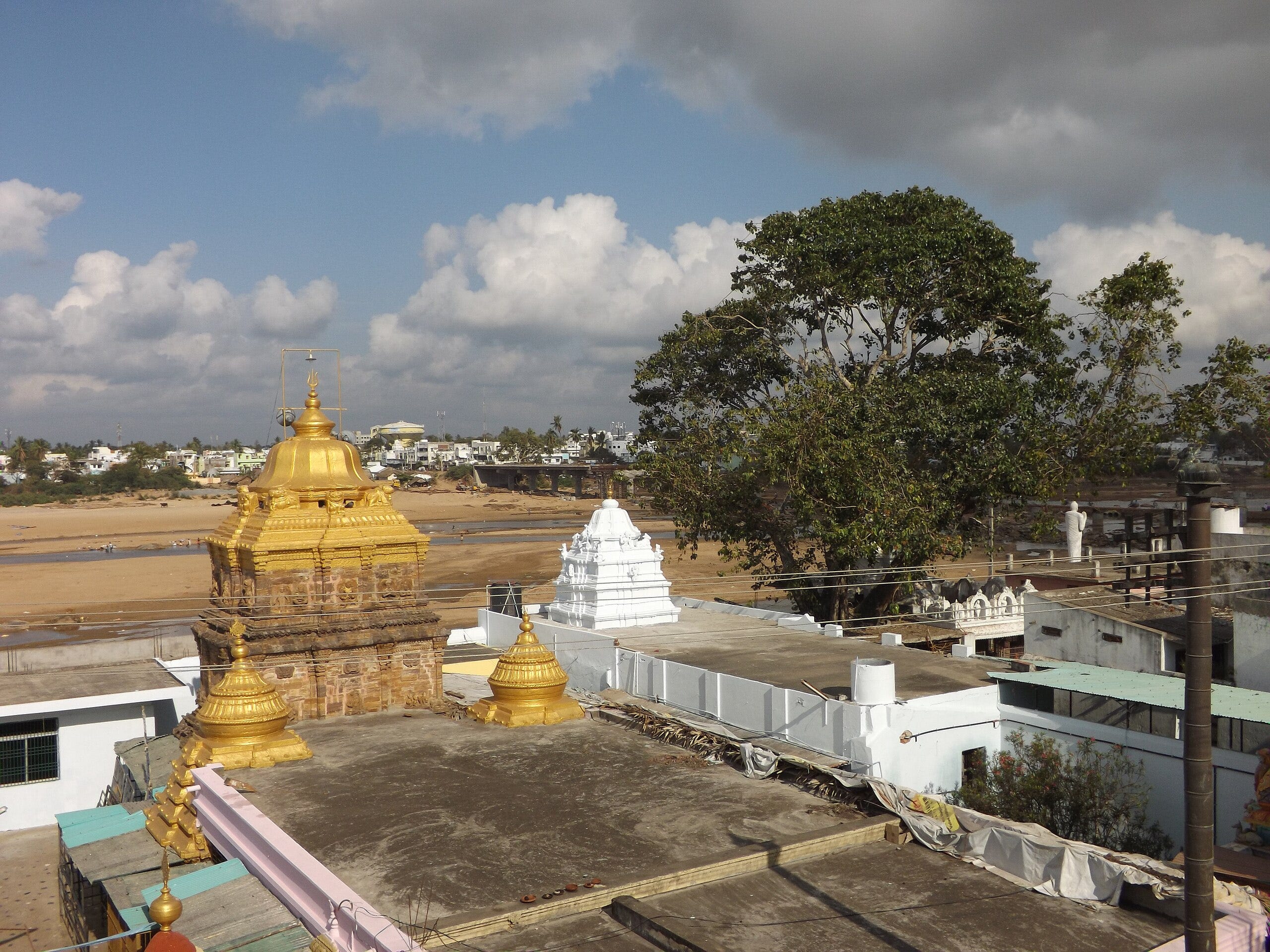
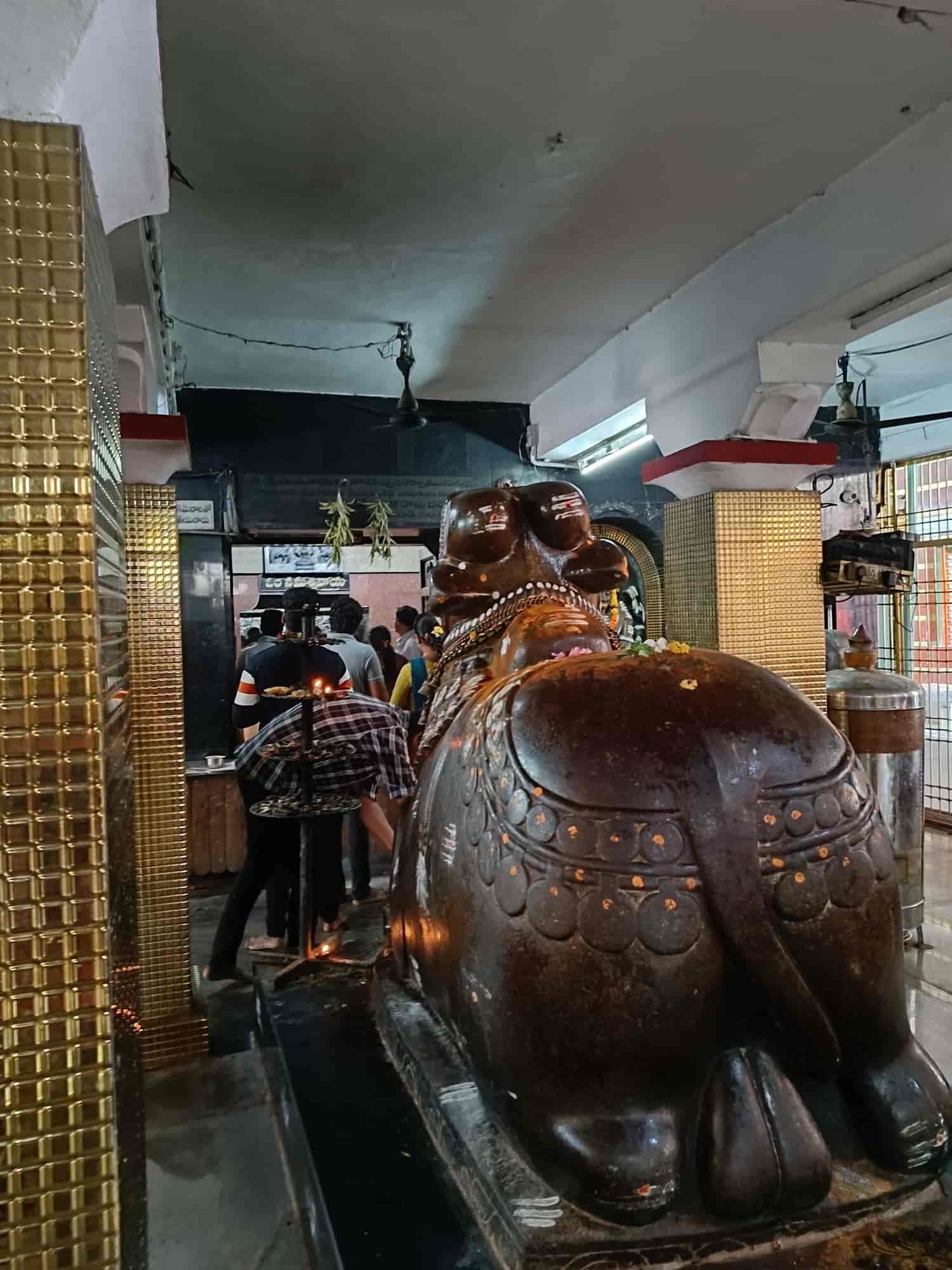
Since the water sprung from the plough, the river was called as Nagavali( Nagam in Telugu meaning plough). Balarama built 5 temples one of which was the Umarudra Koteswara Swami Temple in Srikakulam town,one of the older Shiva temples in Andhra.
This temple over 5000 years old, originally built by Balarama and later reconstructed in 1774 by Magatapalli Kamayya Setti, using Salihundam Red stone, follows South Indian architectural style and Panchayatana Agama Sastra traditions.
Located on the banks of Nagavali, it is also the Kshetrapalika of Sri Kurmam.
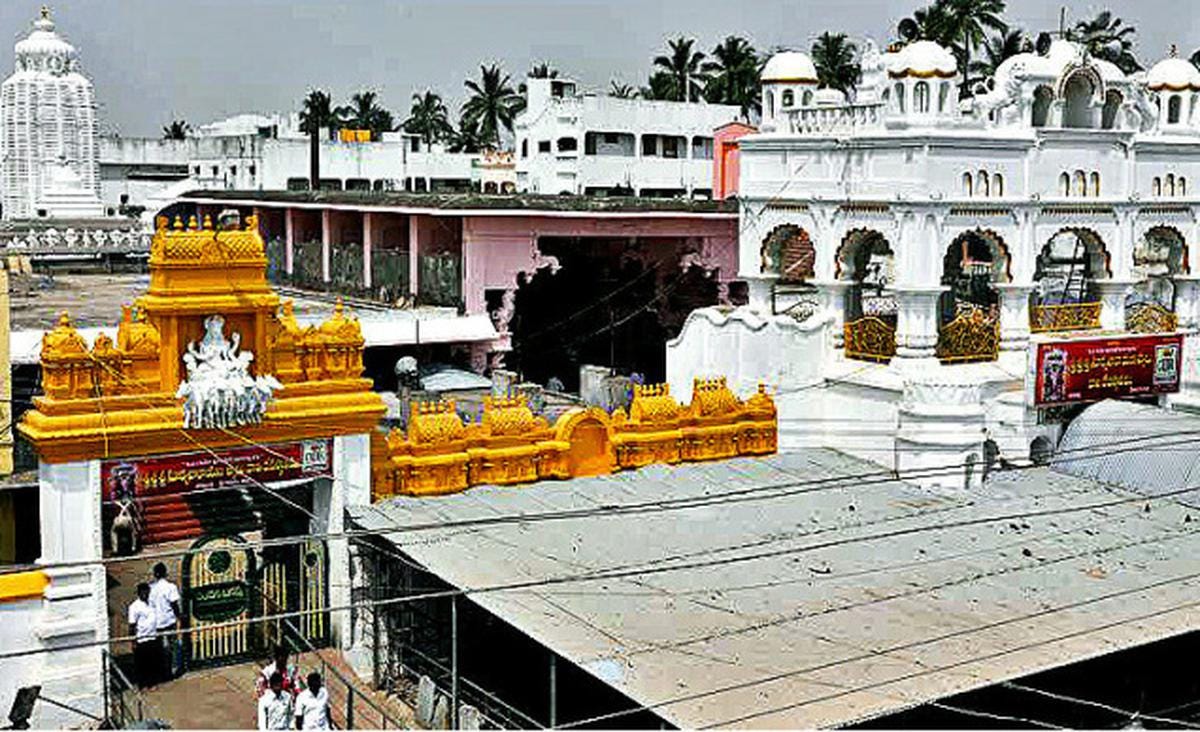
According to the Sthala Purana, when Indra attempted to enter the sanctum of Uma Rudra Koteswara Swamy at an inauspicious hour, Nandi, ever the vigilant gatekeeper, denied him entry. Indra’s insistence led to a divine confrontation where Nandi, struck Indra with such force that he was flung far away, landing in what is now known as Indra Pushkarini.
In his unconscious state, Indra is said to have received a divine vision: to worship Surya for healing and redemption. Acting on this, he dug the earth with his Vajrayudha, and miraculously unearthed the murthi of Surya, flanked by his consorts Usha, Chhaya, and Padmini.
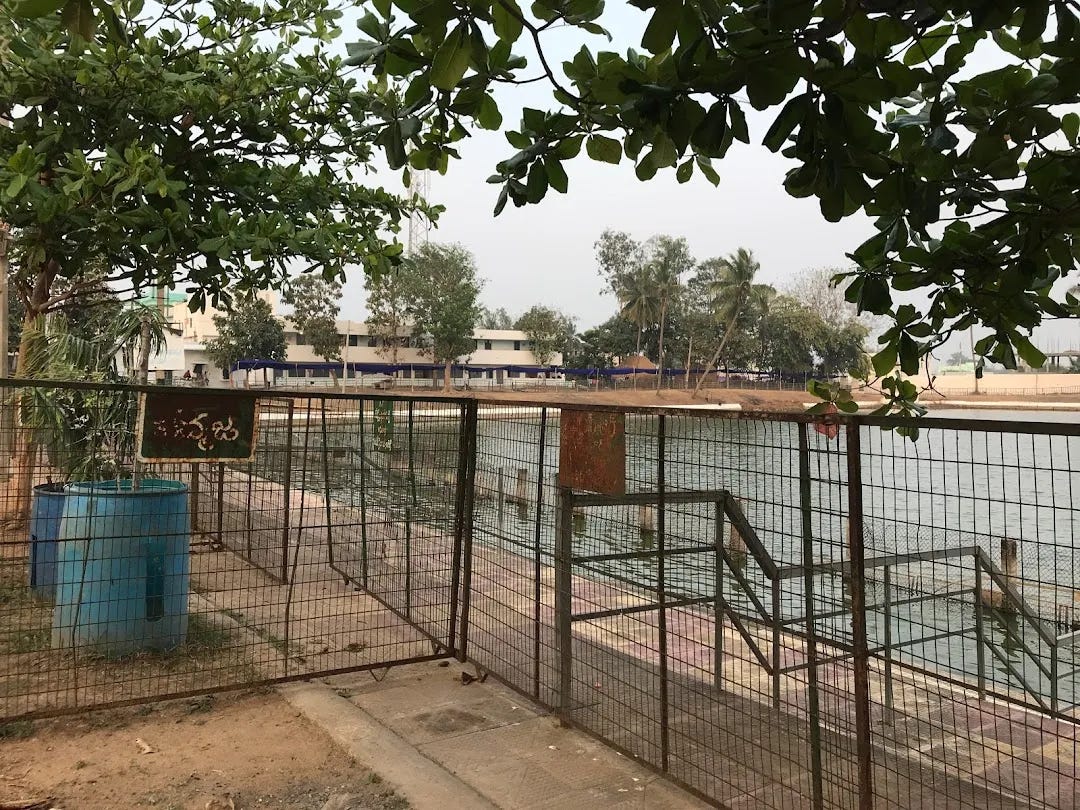
Moved by the grace he received, Indra is believed to have consecrated the temple himself, making Arasavalli not just a site of solar worship, but also a monument to humility, healing, and divine order. The Indra Pushkarini, the sacred tank where he fell, remains a place of ritual purification and memory
The presence of Sri Ramalingeswara Swamy,as the Kshetrapalakaof Arasavalli, adds a profound Shaiva dimension to this Surya Kshetra. His consort, Bhuvaneshwari Devi, one of the Dasha Mahavidyas, represents the cosmic queen of the three worlds — Bhu, Bhuva, and Sva, making it one of the few temples representing Shakta-Shaiva-Surya worship together.
While Ratha Saptami draws crowds for Surya’s chariot festival, Mahashivaratri is celebrated equally grandly here, with abhishekam to Ramalingeswara Swamy with sacred waters, milk, and bilva leaves. The chanting of Shiva Sahasranama and Rudra Parayanam and deeparadhana mark the occasion.
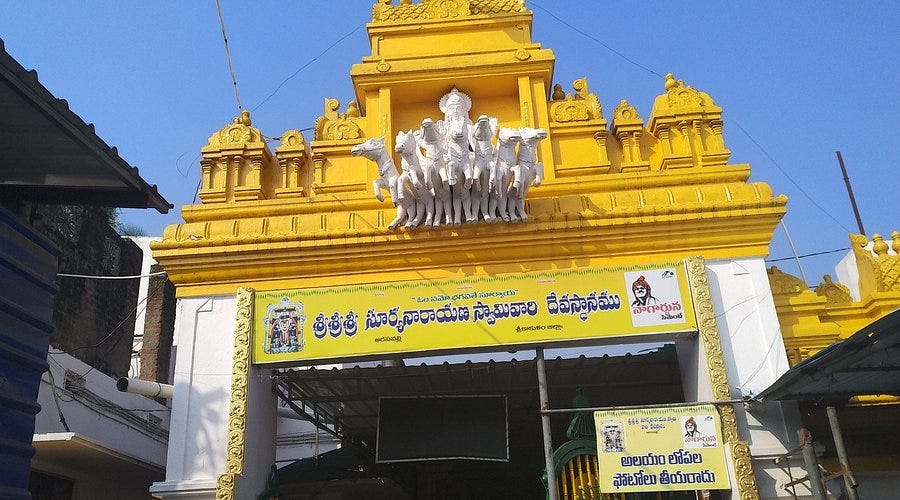
The entrance to Arasavalli temple has a large sculpture of Surya on a chariot drawn by 7 horses.The seven horses represent the seven days of the week, the seven colors of light, and the seven chakras, all driven by the solar force.The charioteer is Aruna, the crimson dawn, who heralds Surya’s arrival each day.
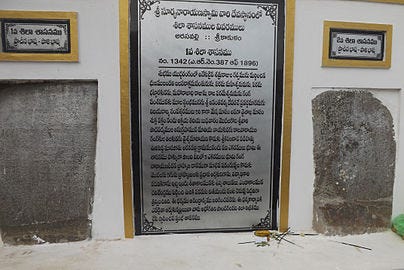
The temple’s walls bear three key inscriptions:
One credits King Devendra Varma of the Eastern Ganga dynasty with the temple’s original construction in the 7th century CE.
Another records land grants and patronage by his successors, including Devendra Varma I and Anantavarman Chodaganga, linking Arasavalli to the broader Kalinga sacred network.
A third inscription, likely from the 18th-century renovation, mentions Elamanchili Pullaji Panthulu, who restored the temple after centuries of neglect and destruction.
Arasavalli can be easily reached from Vishakapatnam, the nearest airport, around 106 Km away. And is very much a part of Srikakulam town too. So next time you are in Vizag do plan a visit here. One of the few Surya Bhagavan temples in India, where prayers are still offered to him, surrounded by green paddy fields, Arasavalli is worth a visit,especially if you are in Vizag or visiting there.