
Tripuranthakam

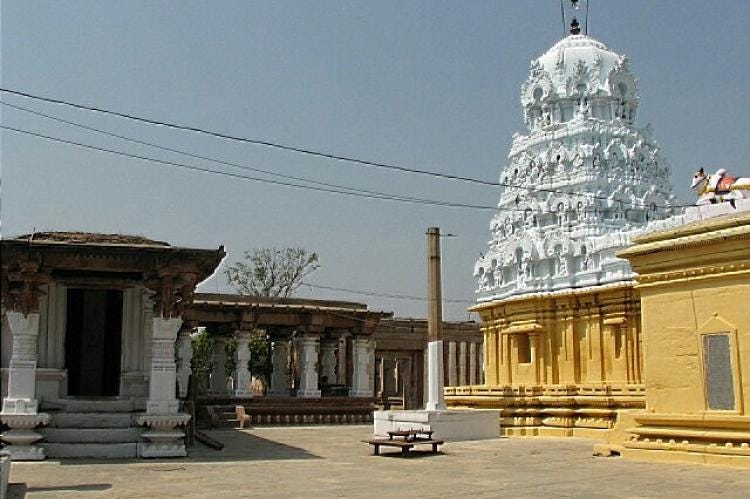
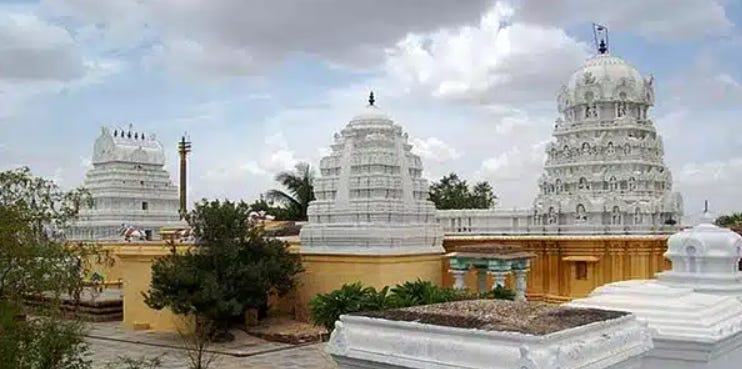
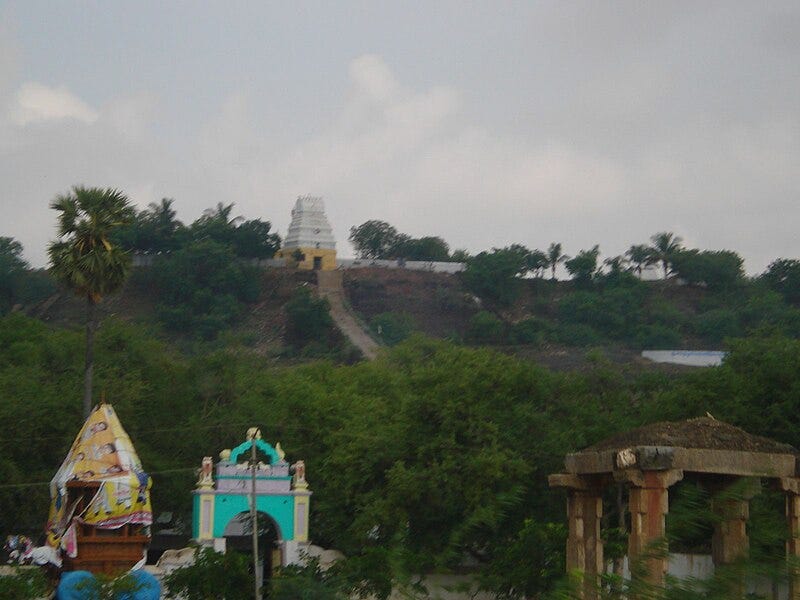
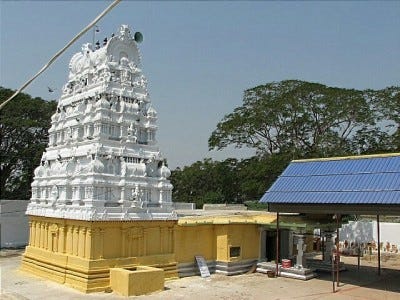
Tripuranthakam is indeed one of the most evocative Shaiva Kshetras in Andhra Pradesh, layered with myth, geography, and ritual significance. The very name evokes the destruction of the Tripurasuras by Shiva, and the temple’s positionin, Shiva atop the hill as Tripuranthakeswara, Shakti below as Bala Tripura Sundari,creates a dramatic vertical symbolism: transcendence above, nurturing power below.
It is believed to be the site where Shiva annihilated the Tripurasuras, affirming his role as cosmic destroyer of arrogance and imbalance. Along with Siddhavatam, Alampur, and Umamaheswaram, Tripuranthakam forms one of the four symbolic gateways to the great Srisailam temple, reinforcing its role as a threshold to divine presence.
Located in Prakasam district, the temple’s hilltop placement offers both physical ascent and spiritual metaphor, while the surrounding landscape adds to its aura of seclusion and sanctity.
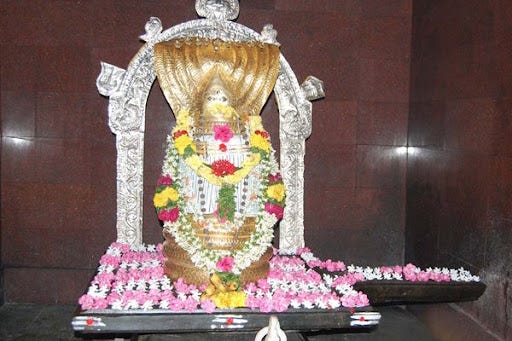
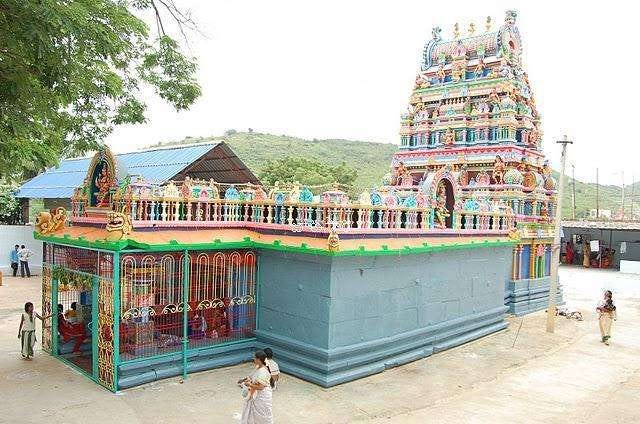
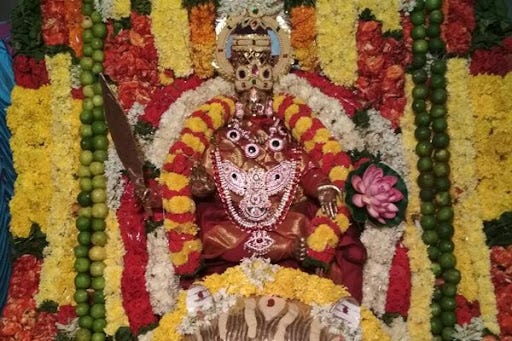
As per the Sthala Puranam, after Kartikeya slew Tarakasura, his 3 sons did penace to Brahma, and when he appeared, asked for the boon of immortality. When Brahma said that was not possible, they asked him to grant three cities that would travel in the sky, where each of them would reside. Brahma granted them boon, but warned them, that as long as the 3 flying cities travel separately, you will be strong, but when you come together at one place, the power will weaken.
The 3 brothers began to wreak havoc with their flying cities, and the Devatas approached Shiva to save them. Knowing that normal weapons would not destroy the Tripurasuras, Shiva approached Vishnu, who in turn instructed Vishwakarma to create a special chariot and weapons. The chariot was made from the universe, the four vedas became the horses, while the Nagas manifested themselves as the reins. Mount Meru became the bow, while Vasuki manifested as the bow string, and the arrows were made from the Moon, Wind on which he set out on the mission.
However due to the power of the Tripurasuras, the divine chariot could not proceed further, nor the bow could work. It was then Devi entered in the form of Bala Tripura Sundari into the bow. And as the three cities came into one single line, Shiva unleashed a powerful arrow destroying all of them in one go. And on the request of Devatas, he manifested himself as Tripuranthakeswara Swamy, with Bala Tripura Sundari as his consort.
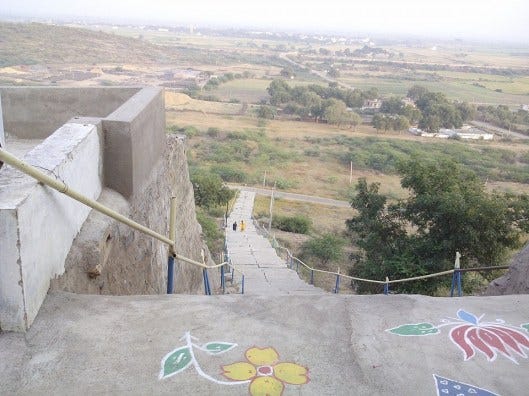
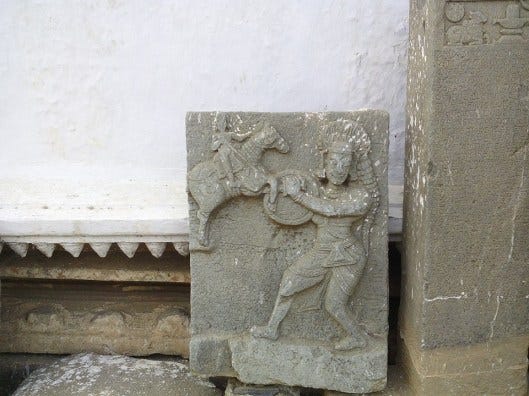
The Tripuranthakeswara temple is located on top of the hill, which can be reached either by road or steps. The Rajagopuram is around 80 feet tell, and richly decorated with sculptures. On either side of the sanctum sanctorum, we find sculptures of Bhadra, Anubhadra, the gatekeepers of Shiva, carved into the walls.
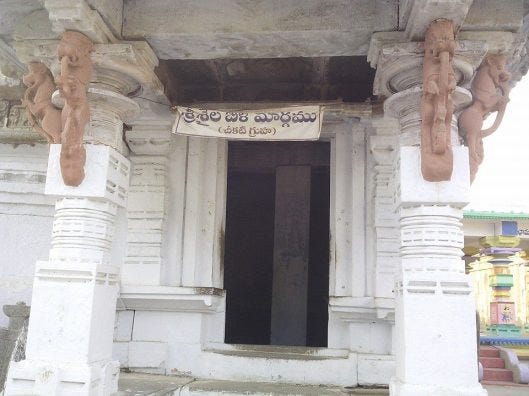
On the northern side of the temple there is a cave, which is believed to contain an underground passage all the way to Srisailam. In the southwest there is a temple dedicated to Sri Chamarakarna Ganapathi, while there is a smaller shrine for Veerabhadra.
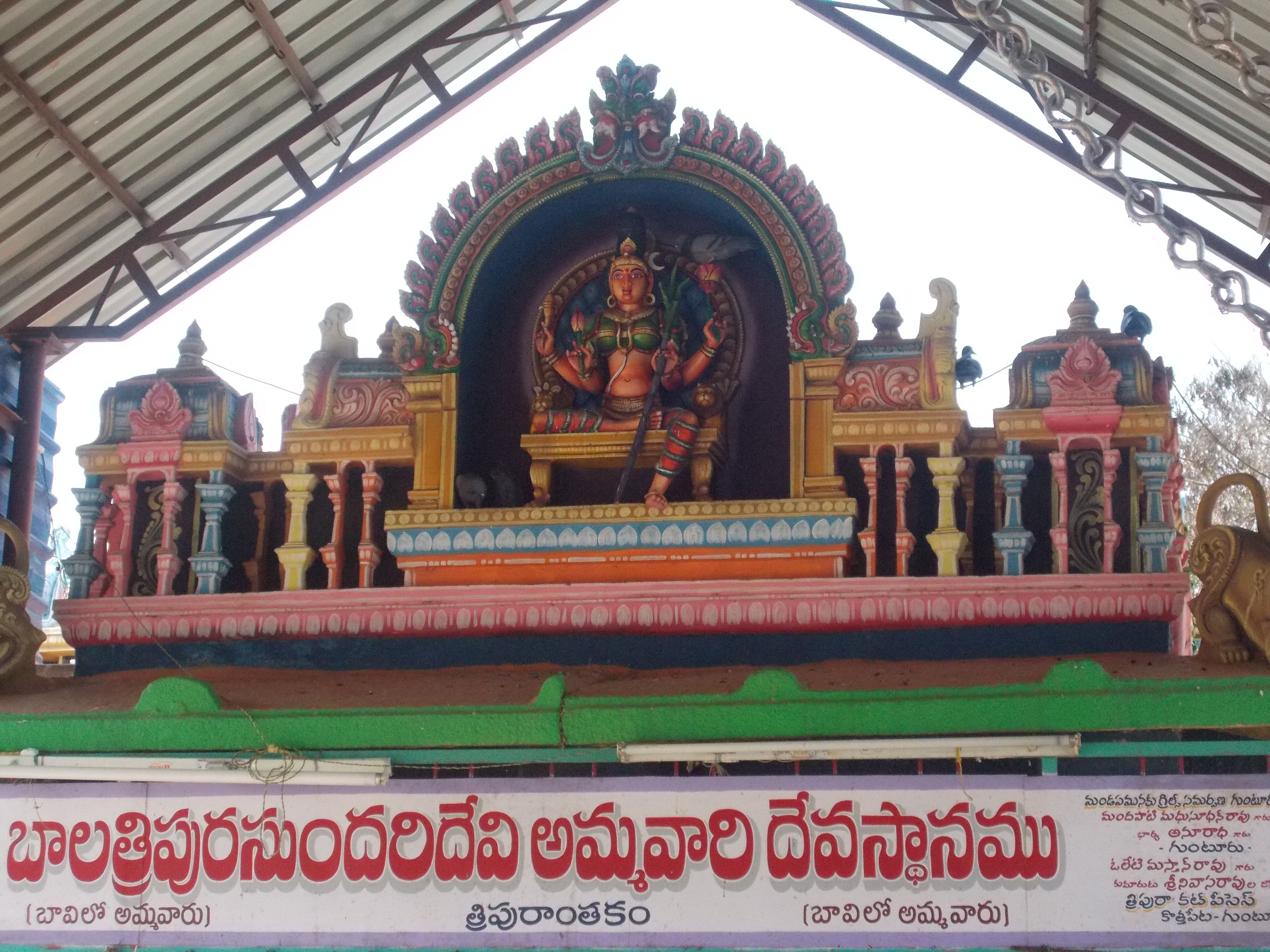
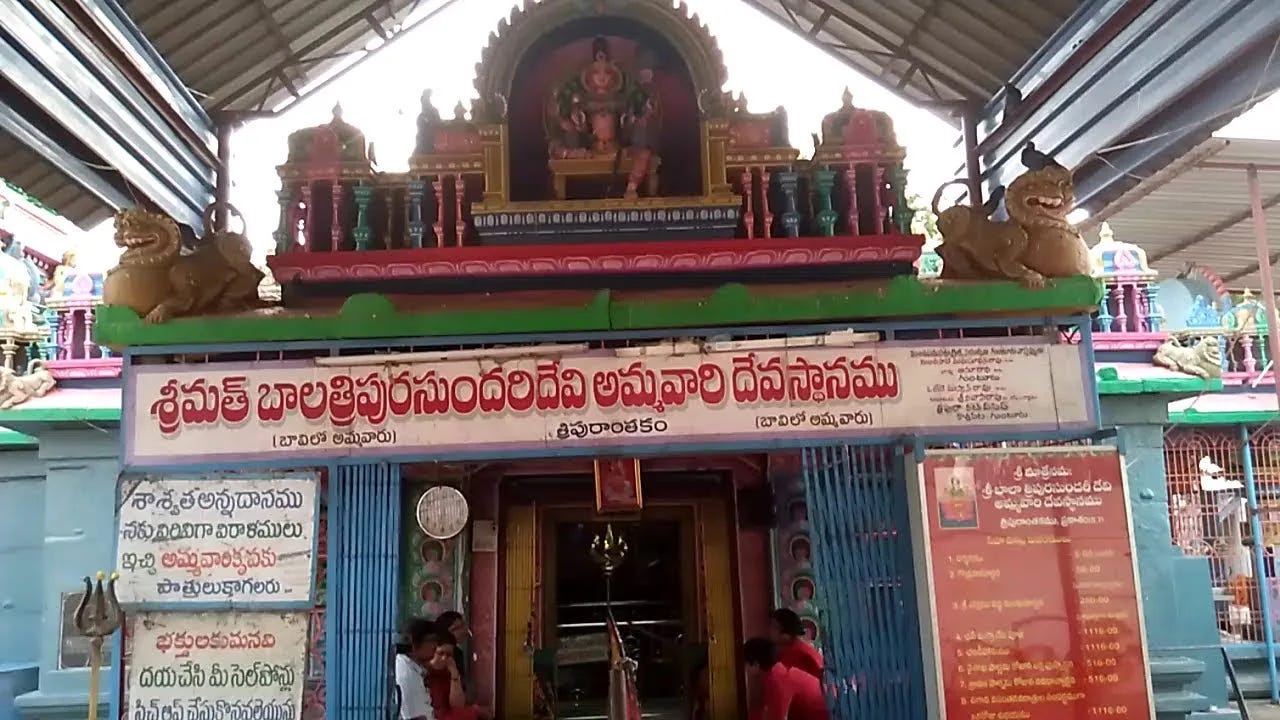
Bala Tripura Sundari temple is located at the bottom of the hill, in a tank, filled with water, it is believed to cool the intensity of Devi’s powers. The sanctum sanctorum is slightly underground, and the deity is believed to be in an old well. There is also a Sri Chakra here in front of Ammavaru, installed by Adi Shankara himself. The temple passage also has Yoginis which had been excavated.
The temple is located on the Guntur-Srisailam route, and can be reached by road from Guntur, Ongole, Vijayawada, while the nearest towns are at Markapur, Vinukonda. If you are travelling to Srisailam from this side, this temple is one of those that have to be visited.